

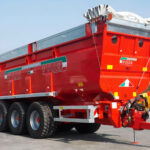

Versatile semi-trailers with capacities ranging from 10 to 52 m³ and two to four axles



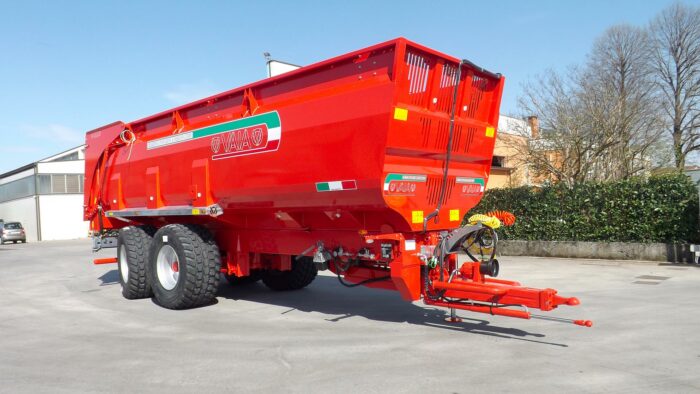
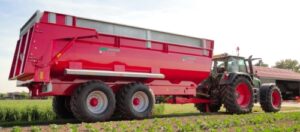
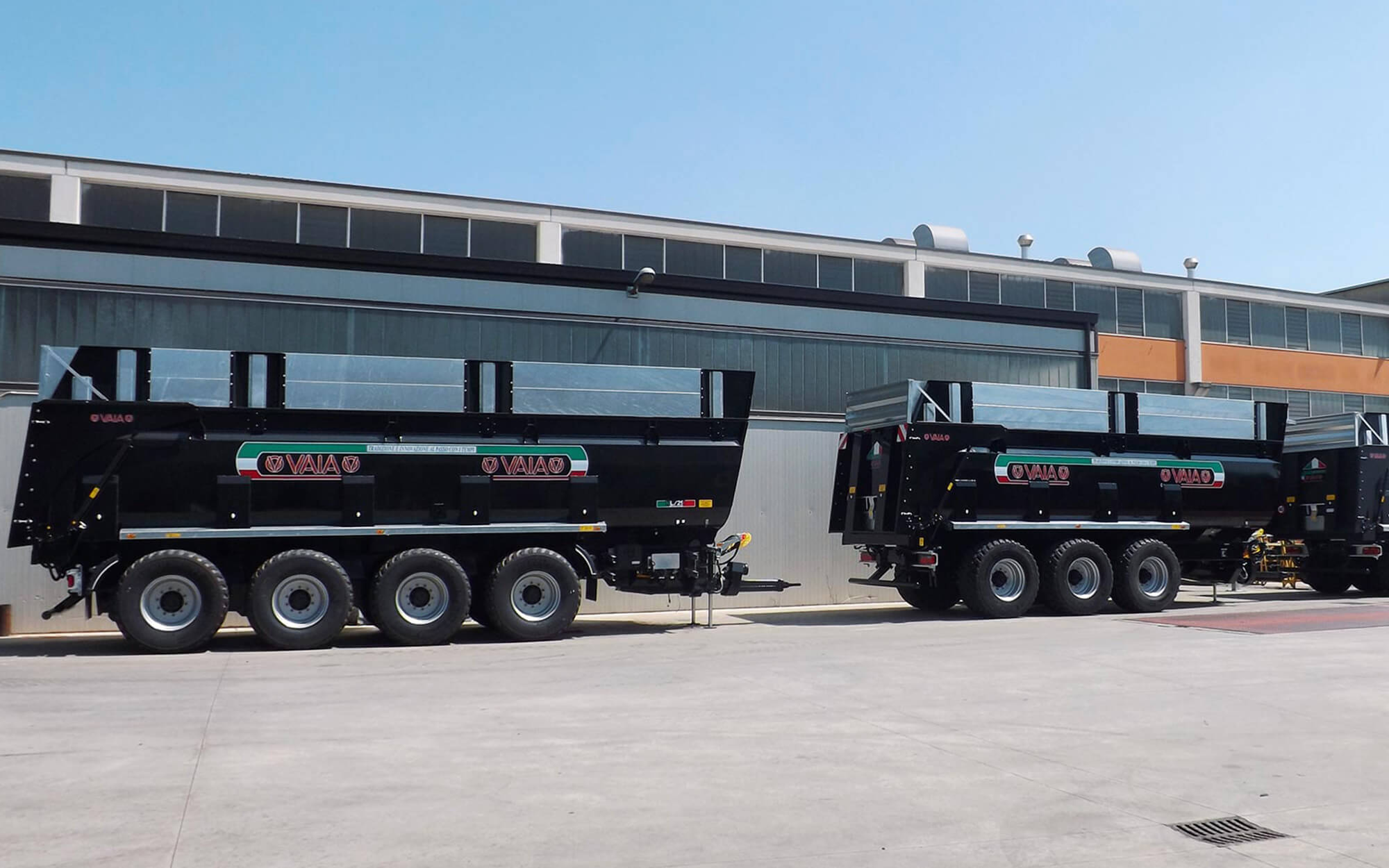
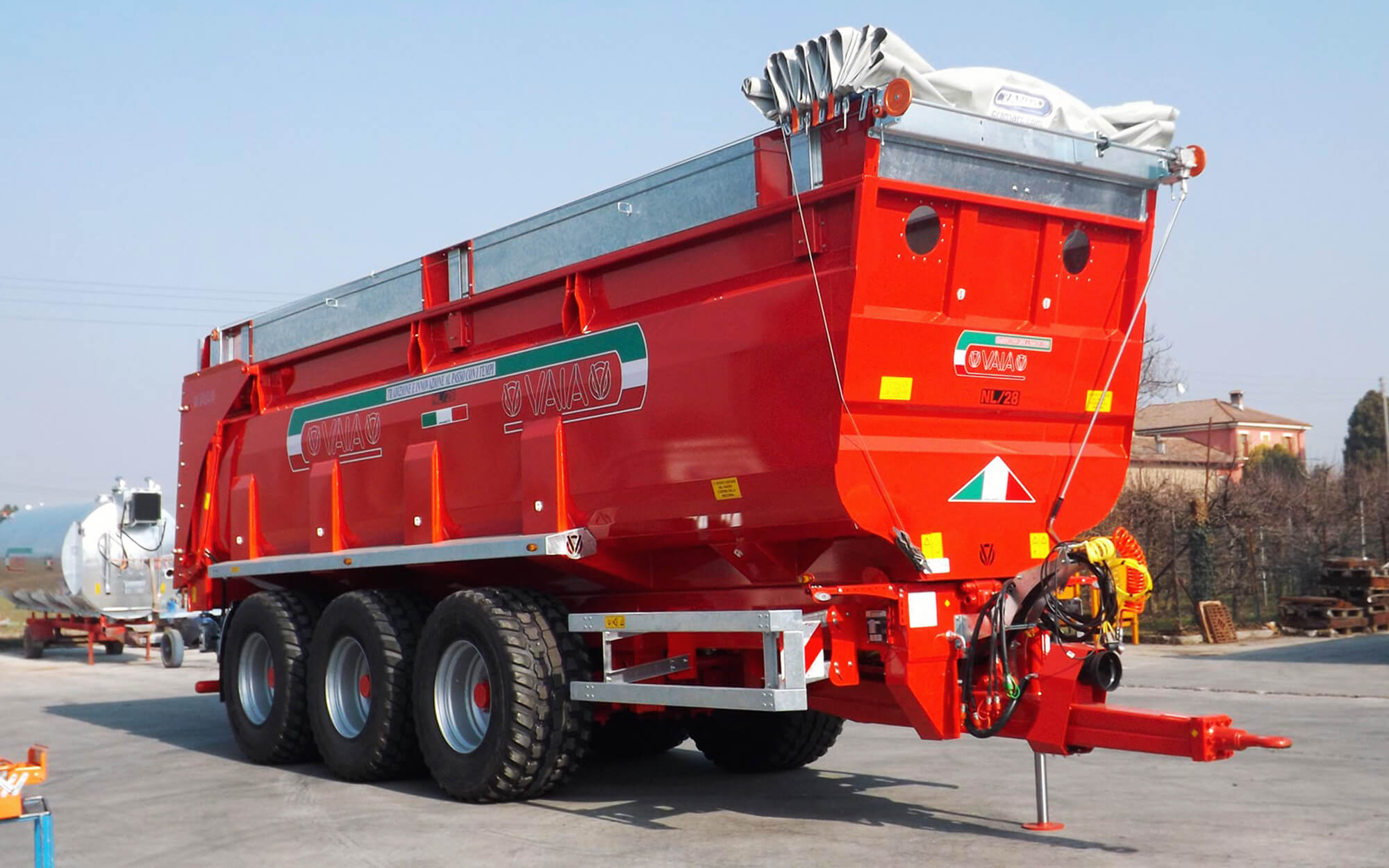
VAIA NL semi-trailers are designed to transport a variety of bulk and high-volume agricultural cargo—from grain and silage to manure and other materials. The high-capacity bodies allow for efficient use of every trip and reduce the time required for transportation.
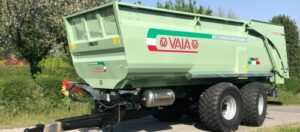
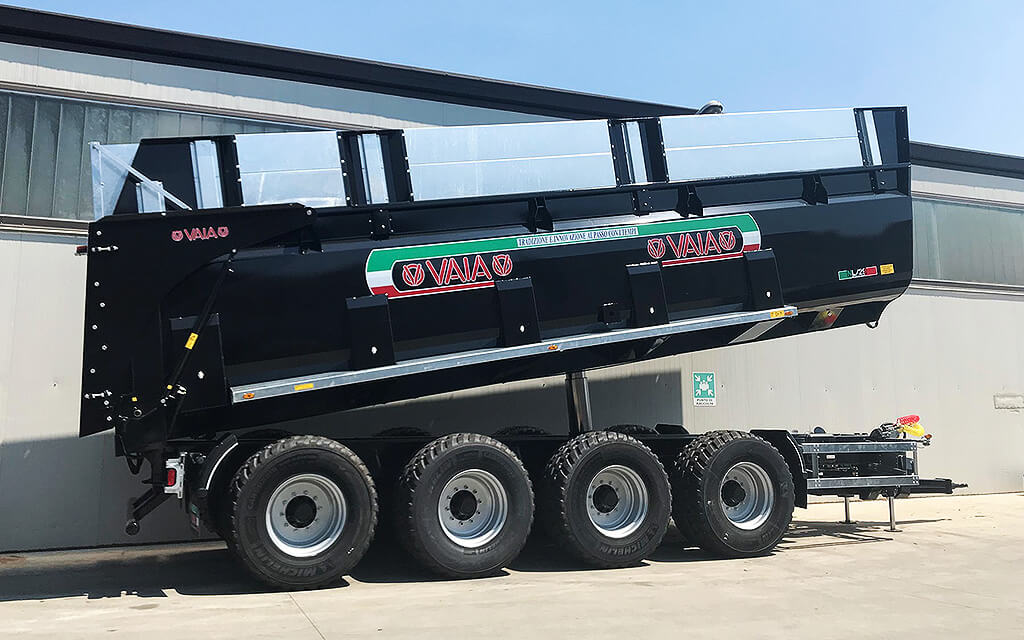
The NL series offers a choice of 2-, 3-, and 4-axle models, so the semi-trailer can be tailored to the size of the farm, the tractor’s capabilities, and the tasks at hand. The models differ not only in their lifting capacity but also in their body volume, and some models offer optional height extensions—which allow for an even greater increase in volume.
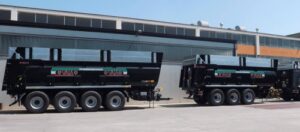
VAIA semi-trailers are designed for demanding operating conditions and heavy loads, with a strong emphasis on structural strength and durability. The manufacturer highlights high-strength steel, reinforced structural components, and solutions that enable the equipment to be used intensively both in the field and when transporting cargo on roads.
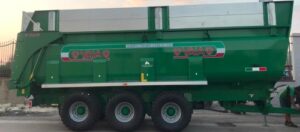
Different axle configurations ensure stability when transporting large and heavy loads, while the steering axle designs on larger models help maintain good maneuverability. This is especially important when working intensively in fields, on farms, and in areas where a large semi-trailer must be maneuvered in confined spaces.
| Model | NL80 MR | NL144 MR | NL120 MR | NL140 MR | NL160 MR | NL180 MR | NL200 MR | NL26 MR | NL27 MR | NL28 MR | NL29 S MR | NL29 MR |
|---|---|---|---|---|---|---|---|---|---|---|---|---|
| Capacity, m3 | 10–19.6 | 13–24.3 | 14.5–31.6 | 14.5–31.6 | 15.9–31.6 | 18.2–39.5 | 29.2–43 | 15.9–34.5 | 18.2–39.5 | 20.8–45.2 | 22.1–48.1 | 23.9–52 |
| Payload, t | 10 | 12 | 12 | 14 | 16 | 18 | 19,5 | 18 | 24 | 24 | 24 | 28 |
| Number of axles, pcs. | 2 | 2 | 2 | 2 | 2 | 2 | 2 | 3 | 3 | 3 | 4 | 4 |
| Internal body length, mm | 4 500 | 5 000 | 5 600 | 5 600 | 6 100 | 7 000 | 7 600 | 6 100 | 7 000 | 8 000 | 8 500 | 8 500 |
| Internal body width, mm | 2 260 | 2 260 | 2 260 | 2 260 | 2 260 | 2 260 | 2 260 | 2 260 | 2 260 | 2 260 | 2 260 | 2 260 |
| Height, mm | 1000 / 1150 / 1350 / 1700 | 1150 / 1350 | 1150 / 1350 / 1700 | 1150 / 1350 / 1700 | 1150 / 1350 / 1700 | 1150 / 1350 / 1700 | 1700 | 1150 / 1350 / 1700 | 1150 / 1350 / 1700 | 1150 / 1350 / 1700 | 1150 / 1350 / 1700 | 1150 / 1350 / 1700 |
| Heights, mm | 400 | 400 / 800 | 400 / 800 | 400 / 800 | 400 / 800 | 400 / 800 | 400 / 800 | 400 / 800 | 400 / 800 | 400 / 800 | 400 / 800 | 400 / 800 |
| Maximum permissible weight, t | 18 | 22 | 22 | 22 | 22 | 22 | 22 | 31 | 31 | 31 | 40 | 40 |
| Brakes | aerial | aerial | aerial | aerial | aerial | aerial | aerial | aerial | aerial | aerial | aerial | aerial |
| Wheel dimensions with tires | 550/45-22.5; 445/65R22.5; 560/45R22.5 | 550/60-22.5; 445/65R22.5; 560/60R22.5 | 550/60-22.5; 445/65R22.5; 560/60R22.5 | 550/60-22.5; 445/65R22.5; 560/60R22.5 | 550/60-22.5; 445/65R22.5; 560/60R22.5; 600/55R26.5 | 550/60-22.5; 600/55R26.5; 710/50R26.5; 24/R20.5 | 600/55R26.5; 710/50R26.5; 24/R20.5 | 550/60-22.5; 445/65R22.5; 560/60R22.5 | 550/60-22.5; 445/65R22.5; 560/60R22.5 | 50/60R22.5; 445/65R22.5; 600/55R26.5; 710/50R26.5; 24/R20.5 | 445/65R22.5; 560/60R22.5 | 560/60R22.5; 600/55R26.5; 710/50R26.5; 24/R20.5 |
| Weight, kg | 4 500 | 4 900 | 4 900 | 5,200–5,800 | 5,400–6,000 | 6,600–7,200 | 7,100–7,800 | 6,000–6,700 | 8,200–8,800 | 9,500–11,200 | 10,000–12,500 | 11 000-14 000 |
1948 Severino Vaia, seeing the growing need to mechanize agriculture, founded the company "Vaia Snc". The company began producing animal carts from wood, later expanding production to include slurry tankers, which were also made from wood, into the production range.
Around the 1960s, innovations in the steel industry and the migration of peasants to industrial cities led to the development of agricultural mechanization. The production of bodies and wheel axles was facilitated by the mechanization of technological processes in the metal industry.
Further development of the company was carried out by two sons, who undertook the process of modernization of the company. In 1976, new industrial buildings with an area of 2700 m2 were built, equipped with a crane for material handling, numerically controlled machines (presses, shears, lathes).
From 1990 to 1994, the premises were expanded by another 7,200 m2, and plasma metal cutting machines were built, thus completing the company's modernization period.
In 2006, the factory territory was expanded again, new offices were installed, and a 4,500 m2 building was constructed, to which the production of slurry tankers was transferred.
The company has set two main goals for the future: first, to continue to improve product quality, meeting customer needs and remaining one of the best in this sector; second, to expand the customer base and increase production to foreign markets.
Currently VOICE produces high-class and high-quality slurry tankers for the needs of various farms. Only reliable and high-quality slurry tankers.