
Tips for choosing a grain dryer
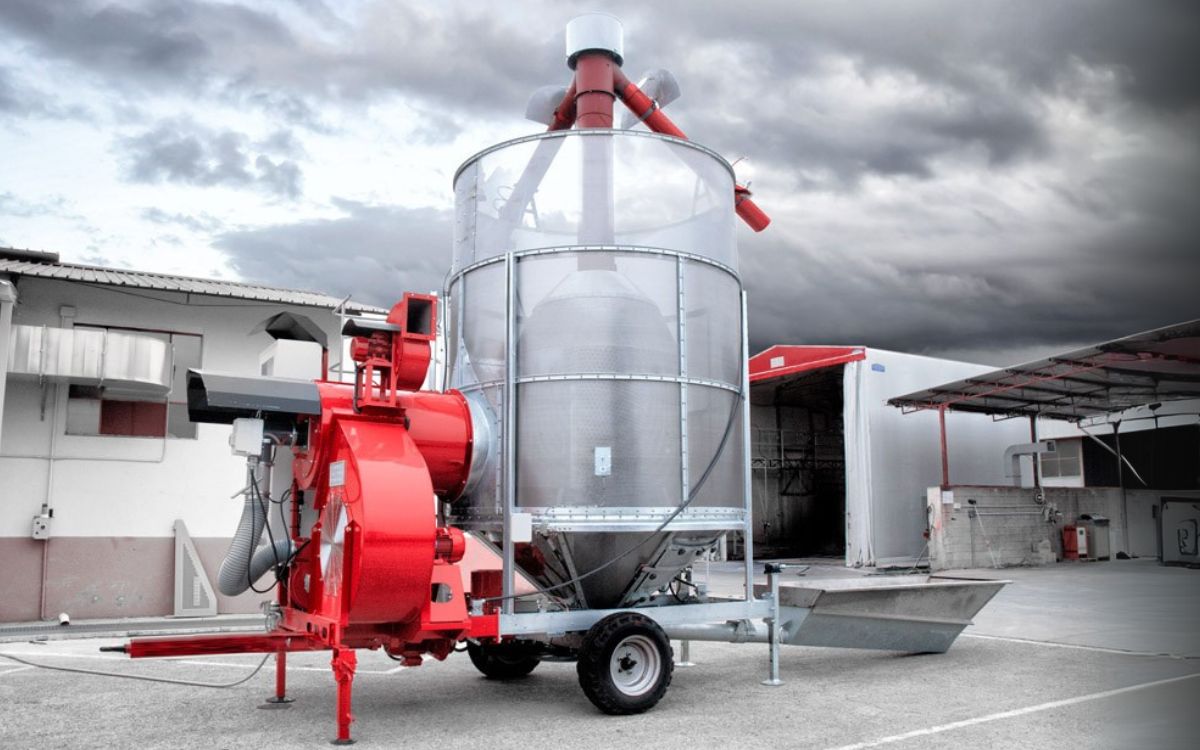
Are you planning to purchase a grain dryer for your farm? Here are some tips to help you choose the most suitable grain dryer:
1. Comprehensive needs assessment:
Calculate how much grain you need to dry per season or year. Take into account not only the current harvest, but also the planned expansion of the farm and the different storage options. This will help you to decide more accurately on the right drying capacity for your needs. The drying room should not be too small to avoid congestion, but it should not be too large to avoid energy inefficiency. Also consider the type of grain you will be drying (wheat, maize, soya, etc.), as some dryers may be more suitable for certain types of grain.
2. Careful budget planning:
As with any farm purchase, it is important to carry out a price analysis of the grain dryer. Grain dryer prices can vary depending on manufacturer, model, capacity and features. Set your budget and look for a dryer that fits your financial means. It is also important to consider not only the purchase price of the dryer, but also the running costs, which include energy costs, maintenance costs, the cost of spare parts and more. Bear in mind that a dryer will last for many years, so in the long term it is important to choose a quality machine that will last longer and be easier to maintain.
3. Fuel type selection:
When ordering a grain dryer, there is a choice of power transmission source, so it is worth considering the availability and cost of different fuel types (gas, diesel, electricity) in your area. Choose the type of fuel that is most convenient and cost-effective for your farm. It is also important to assess the fuel infrastructure - make sure you have the right infrastructure for the fuel type you have chosen (gas pipeline, diesel tank, electricity grid).
4. Analysis of grain dryer functions:
Consider the various automatic features of grain dryers - choosing a grain dryer with an automatic control system, which allows you to easily adjust temperature, humidity and other parameters, will save you time and ensure automated operation on your farm. It is also important to consider the accuracy of the temperature control to ensure even drying of the grain and avoid overheating. Choosing a grain dryer with a reliable grain moisture measuring device to precisely control the drying process will always provide accurate data. Also consider additional features such as a grain cleaning system, automatic shut-off, etc. that can improve comfort and efficiency.
5. Finding a reliable manufacturer:
Choose a grain dryer from a trusted manufacturer and dealer with a good reputation in the market. Read other farmers' reviews of dryers from different manufacturers, and ask other farmers around you or those you know about their dryer. The availability and quality of spare parts is particularly important when choosing a dryer, so a prompt supply of spare parts will help to reduce the likelihood of a dryer breaking down in the middle of a job.
6. Practical assessment at the sellers:
Before buying a dryer, visit several different sellers and compare their dryer offerings, prices and service levels - ask the sellers questions about dryer features, prices, warranties, supply of spare parts etc. An important aspect of choosing a vendor is to ensure that they have an operative and 24/7 service that will ensure that any breakdowns are responded to very quickly. The service of the grain dryers we represent is open nationwide seven days a week.
In addition to the tips already mentioned, it is also worth considering:
State and EU support – inquire about possible state or EU support programs for purchasing modern agricultural machinery and equipment. This will help you save costs on your farm and properly modernize not only grain dryers, but also other farm machinery.