

Soil is the system on which plant growth and yield directly depend. One of the most important indicators of its quality is humus, which is formed by the decomposition of organic matter. The more humus there is, the more fertile the soil is, and the better it holds moisture and nutrients.
These processes are strongly influenced by soil life, especially earthworms. In this article, we will look at what exactly are the benefits of mulching for soil and humus, and what is the role of earthworms in the soil ecosystem?
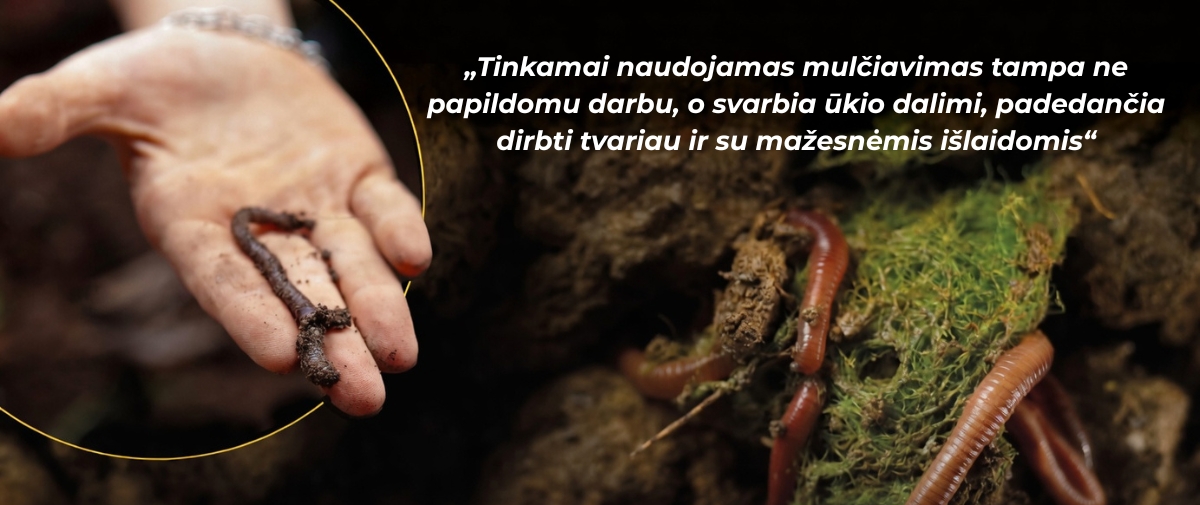
Soil formation is very slow - 1 cm takes about 100 years
Soil is a living system where biological processes are constantly taking place. It is home to many organisms - earthworms, insect larvae and micro-organisms - that break down organic matter.
Humus is an important component of soil. It is formed by the decomposition of plant residues and other organic matter. The more organic matter in the soil, the more humus is formed, which improves soil structure and increases soil fertility.
Mulching provides soil organisms with organic matter, which becomes their food. By breaking down plant residues, they gradually build up humus. Although mulch itself is not a fertiliser, it becomes a valuable source of nutrients for plants thanks to the activity of soil organisms.
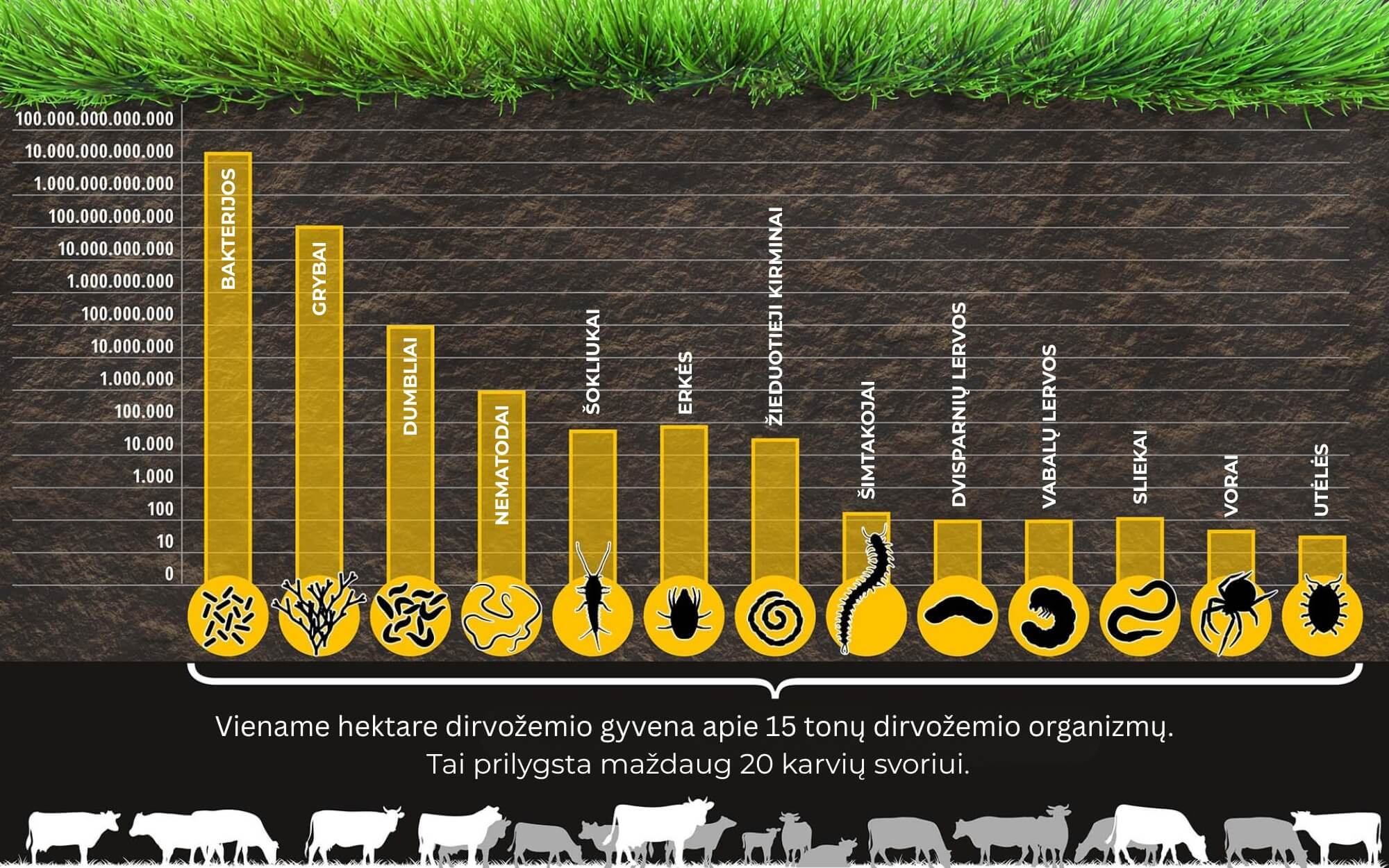
Important reasons to choose mulching:
- better organic ground cover;
- higher levels of humus in the soil;
- natural fertilisation.
Not all mulchers mulch equally
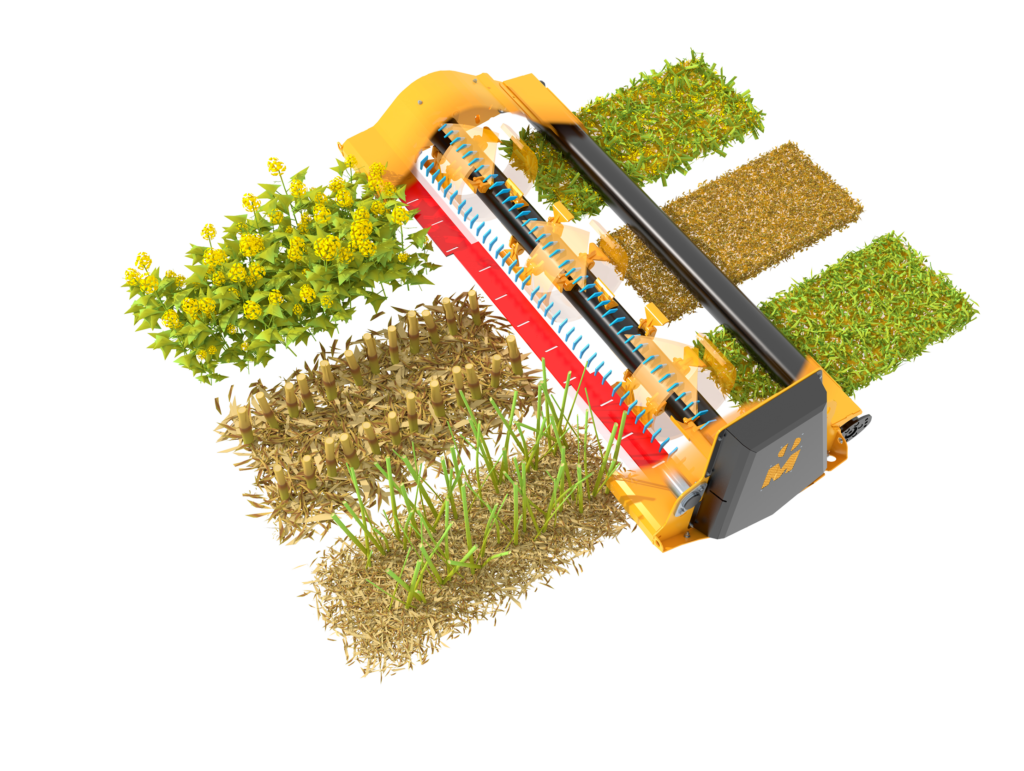
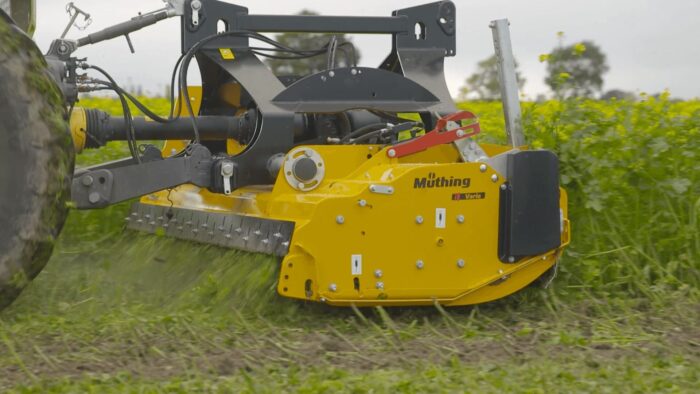
Mulching is one of the most important tools for building humus in the soil. Since earthworms do not have teeth, plant residues must be fine enough to be easily broken down by soil organisms.
Thanks to the adjustable counter-peel and the even shredding intensity, the Müthing Vario system allows for optimum shredding of plant residues. This allows earthworms and other soil organisms to decompose organic matter faster.
Earthworm - a natural „contractor“
Earthworms are a very useful tool in soil improvement. Because it lives below the soil surface and is active at night, we often overlook the important influence it has on soil quality.
During its lifetime, which lasts between three and eight years (depending on the species), the earthworm is constantly moving, loosening and stirring the soil. It feeds not only on decaying plant debris, but also takes up organic particles, bacteria, fungal spores and other micro-organisms with the soil.
By recycling these substances, the earthworm stimulates the activity of beneficial micro-organisms and reduces the number of harmful organisms in the soil. In other words, it „cleans“ the soil.
Earthworms also draw plant residues from the soil surface into deeper layers, where they are broken down and become a food source. Mulching further enhances this process by making organic matter more readily available to earthworms.
It's the end result that matters. The product of earthworm activity is a high quality natural fertiliser that is produced without additional cost, energy or environmental impact.
Therefore, creating favourable conditions for earthworms, for example through mulching, is always beneficial. This makes the earthworm a real, free soil „contractor“.
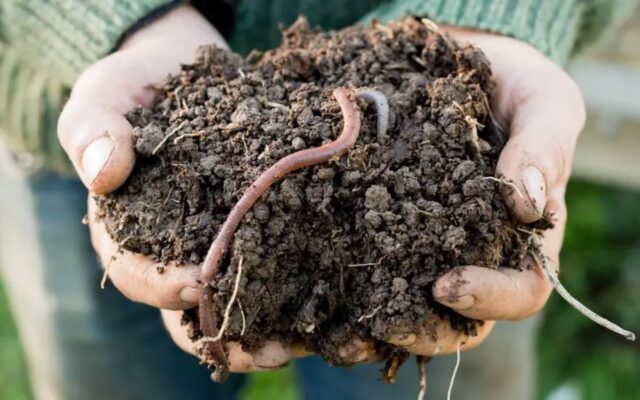
The constant movement of earthworms in the soil also has a positive effect. The channels and tunnels it digs loosen the soil in deeper layers and improve its structure.
In addition, the earthworm can add up to 20 leaves to its burrows in one night. There, they are shredded, begin to decompose and are then eaten and recycled. This creates a kind of „composting area“ underground.
Previously common tillage practices, such as chopping, digging or ploughing, continuously disrupt earthworm habitats. Mulching, on the other hand, helps to maintain and enhance a healthy soil ecosystem.
Mulch allows nature to work on its own - and even to work for you.
Earthworms produce one of nature's most valuable fertilisers
Soil studies show that the material excreted by earthworms is even more effective than the same amount of compost. As fertilisation in agriculture is increasingly viewed critically, mulching is becoming an environmentally friendly and cost-effective alternative.
Müthing mulchers help to address what is a major concern on farms today - deteriorating soil, weeds and rising costs. They are also useful in tackling other problems that are common in Lithuania - soil compaction, lack of humus, erosion and the spread of diseases and pests in crop residues.
When used properly, mulching becomes an important part of the farm, rather than an extra job, helping you to work more sustainably and at a lower cost.
Choose a high-class Müthing mulcher for your farm: