

Rapeseed is one of the most important crops in many farmers' rotations, but also one of the most demanding. Achieving stable yields requires not only the right cultivation techniques, but also an understanding of the processes that take place in the soil, from the spread of diseases to the cycling of plant residues and nutrients.
In this article, we will look at the main challenges facing oilseed rape growers and how they can be addressed through mulching. We will discuss the problem of volunteer oilseed rape, disease risks, soil preparation and the benefits of intercropping. So how does all this relate to soil structure, humus formation and more sustainable farming?
Knowledge is essential for successful oilseed rape cultivation
Rapeseed is a member of the cruciferous family and is an important part of the rotation of many farms, as it can provide significant economic value as a starter crop. However, it is not very resistant to desertification and is therefore particularly susceptible to diseases such as sclerotinia rot or root and stem rot. If the causes of these diseases are not effectively controlled, yields can be significantly reduced.
Damage to old and volunteer rape
If not given enough attention, old and volunteer oilseed rape can become a serious problem.
Old oilseed rape keeps diseases at bay and shortens the break in the rotation. In contrast, volunteer oilseed rape densifies the crop and can significantly reduce yield quality.
Even under ideal harvesting conditions, rapeseed losses cannot be avoided completely. If harvesting is too late or there are adverse weather conditions such as storms, these losses can be even greater.
The conclusion is simple: oilseed rape is a demanding crop with a number of challenges that need to be managed properly.
Disturbance of the resting state
After sowing, rapeseed goes into its initial dormancy. The right conditions are needed to stimulate germination.
Rape seeds germinate best when they are close to the soil surface and not too deeply embedded. If the seeds are too deep, they go into a secondary dormancy. In this case, they germinate much later and appear as unwanted volunteer oilseed rape in subsequent crops.
Rapeseed seeds that are very deep in the soil can remain viable for up to 10 years.
What can you do? Mulch!
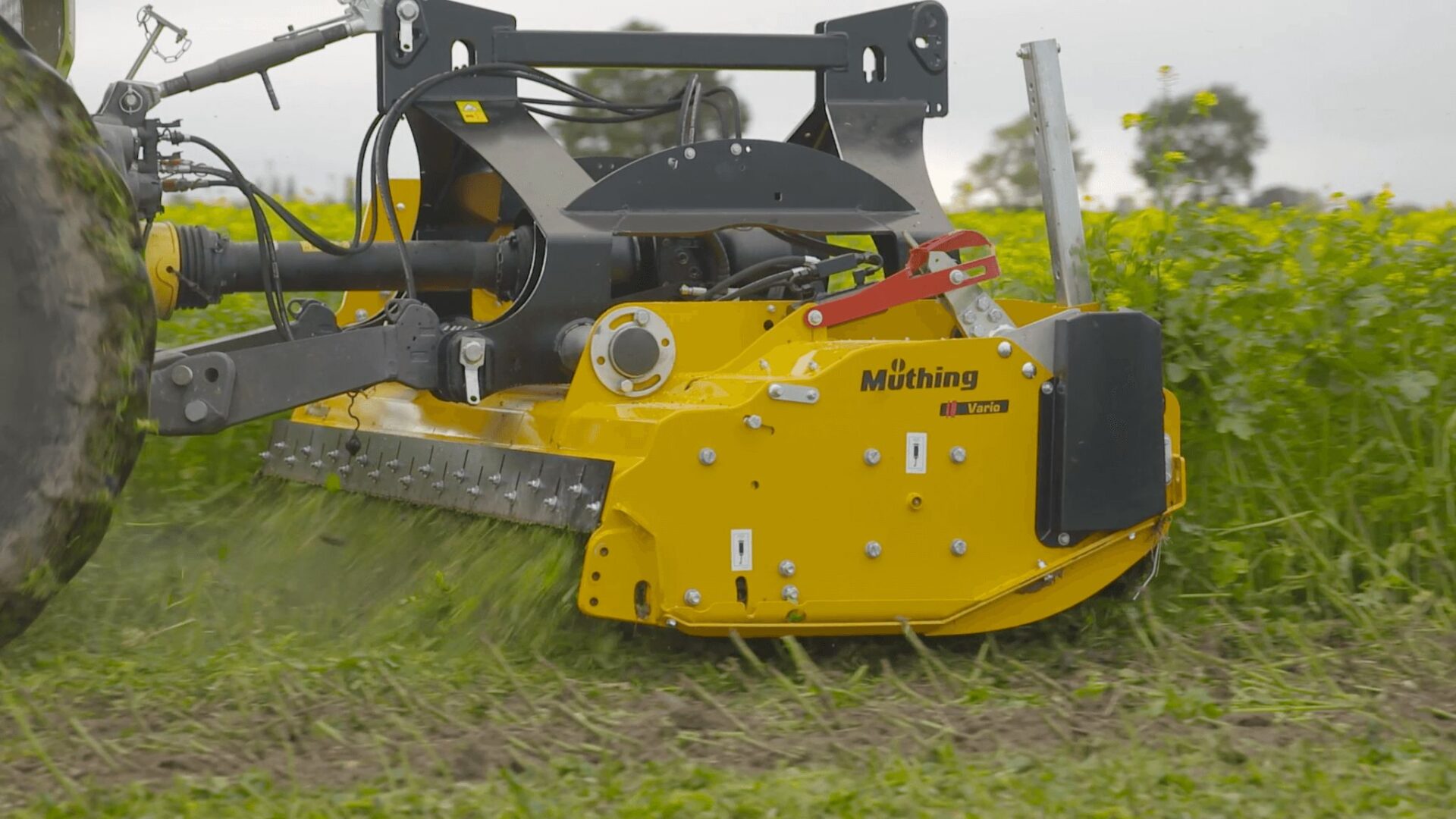
The mulcher collects the seeds on the surface, shreds the plant residues and presses them into the soil. As mulching does not disturb the soil, the seeds are not buried too deeply, thus avoiding secondary dormancy.
As an added advantage, the mulch opens up the unripe pods, allowing the seeds to germinate successfully under the mulch layer.
Sclerotinia, fomosis and other fungal diseases
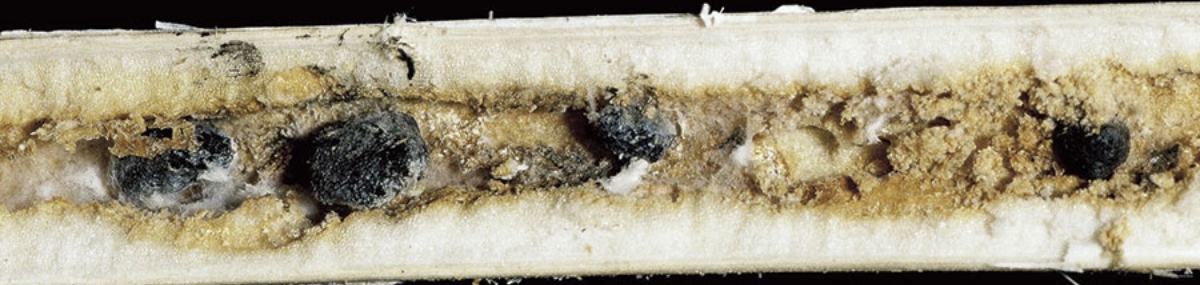
Unfortunately, oilseed rape is not very resistant to fungal diseases. Hardened fungal structures - sclerotia - can persist in the soil and remain viable for up to 10 years, posing a long-term threat to oilseed rape crops. Although fungicides are used to combat these diseases, their use is the subject of much controversy because of the impact on bees and the environment.
Mulch helps to naturally reduce the risk of fungal diseases.
Mulching shreds plant residues and accelerates their decomposition. It also shreds the rape stems, opening the way for more soil micro-organisms to reach and break down the sclerotia.
Soil preparation
Mulching also offers advantages when preparing the soil for a new sowing after the oilseed rape harvest. Once the crop residues have been intensively shredded, they are no longer a problem: they no longer clog up the machinery and do not interfere with the quality of the seed placement.
Canola develops a good soil structure throughout the growing season, which is not damaged by mulch. This allows for repeated cultivation after mulching and makes ultra-shallow tillage possible even without the use of glyphosate.

Intercropping - a nutrient „reserve“
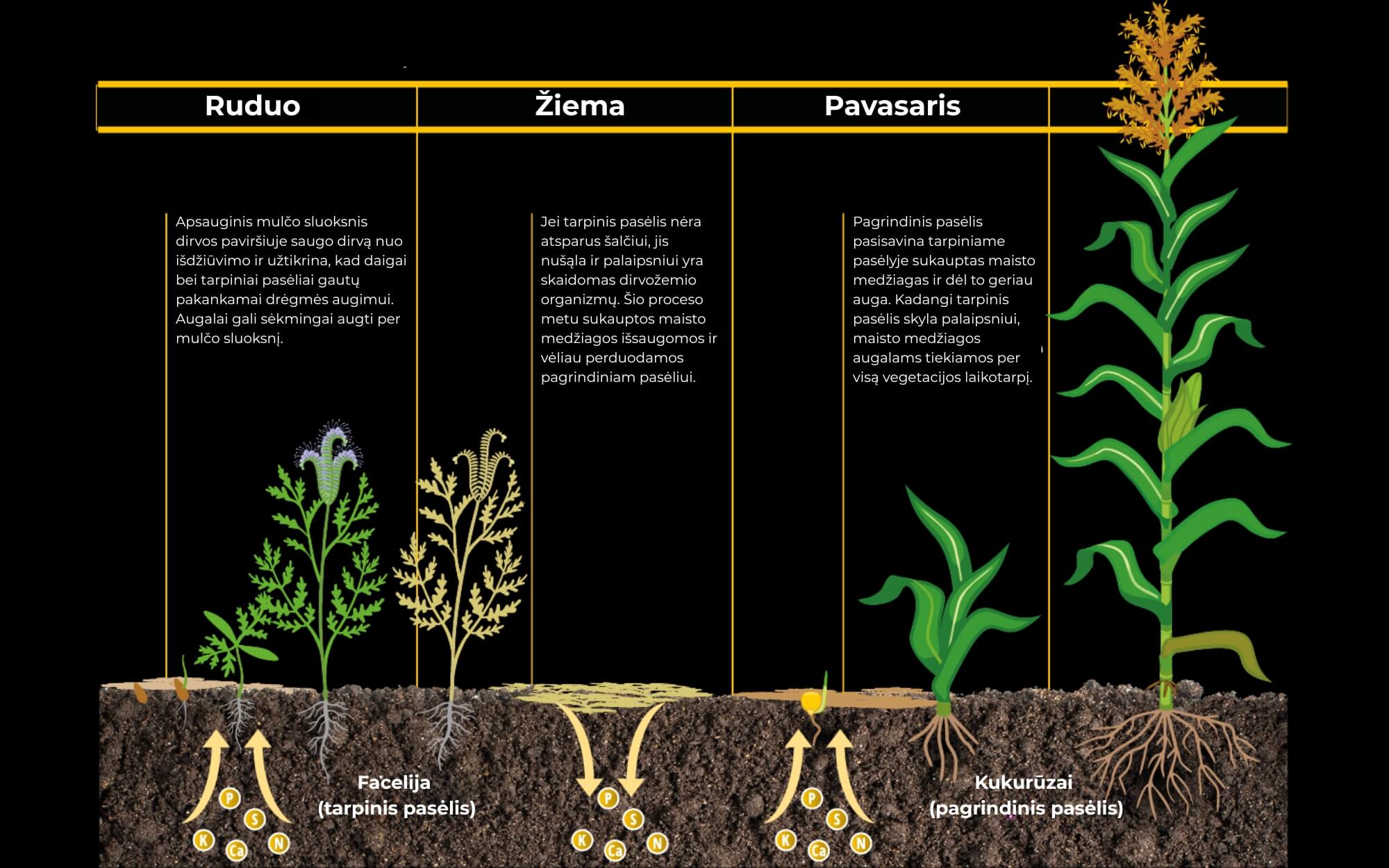
Intercropping helps to efficiently preserve the nutrients left over after the harvest and pass them on to the next main crop. This ensures better nutrient utilisation and reduces losses.
They also improve soil structure and protect the soil from adverse environmental effects. The organic matter accumulated during the growing season increases soil vitality and allows plants to survive the winter. All this contributes to healthier, more stable and more productive soil.
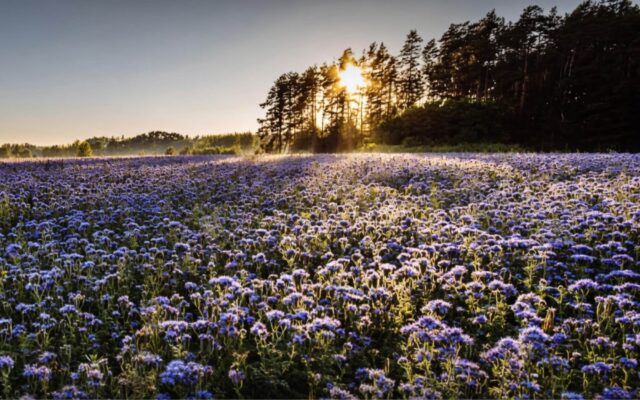
If the right plants are selected, catch crops take root intensively in the soil, loosening it.
The organic matter left behind improves soil fertility by forming valuable nutrient-rich humus. In addition, the availability of nutrients stimulates the activity of soil life.
Additional benefits of intercropping:
- protection against water and wind erosion,
- weed control,
- saving nutrients for the next main crop.
Not all mulchers mulch equally
Mulching is one of the most important tools for building humus in the soil. Since earthworms do not have teeth, plant residues must be fine enough to be easily broken down by soil organisms.
Thanks to the adjustable counter-peel and the even shredding intensity, the Müthing Vario system allows for optimal shredding of plant residues, favouring earthworms and other soil organisms.
Müthing mulchers help to address what is a major concern on farms today - deteriorating soil, weeds and rising costs. They are also useful in tackling other problems that are common in Lithuania - soil compaction, lack of humus, erosion and the spread of diseases and pests in crop residues.
When used properly, mulching becomes an important part of the farm, rather than an extra job, helping you to work more sustainably and at a lower cost.
Choose a high-class Müthing mulcher for your farm: